Pixel · Strip · Neon · Stage
LED pixel lights, strip and neon for structures that light up at night
Six light lines for amusement rides, Ferris wheels, stages, facades and signs — sourced from one Shenzhen maker whose own product pages publish full specifications for five models, and quoted per project through a single inquiry form.
HOME — SIX LINES · FIVE SPEC-PUBLISHED MODELS · ONE INQUIRY FORM
| Lines | Strip · Neon · Stage · Amusement · Control · Power |
|---|---|
| Spec-published models | Five, each with a full data table |
| Ordering | By inquiry — model, quantity, destination |
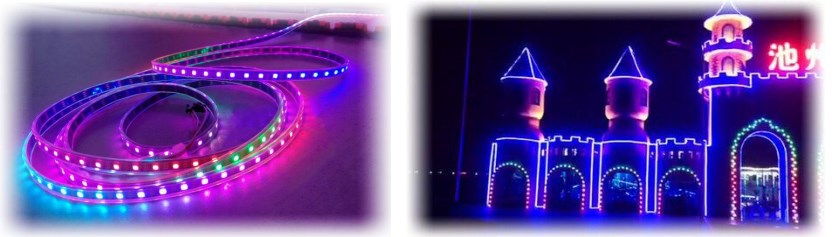
Six light lines, one inquiry
Every project that arrives here starts the same way: a structure — a ride, a wheel, a stage truss, a shopfront — and a lighting effect it has to carry. The catalogue is organised the way the maker's own website organises it, in six lines, so a buyer can move from the effect they want to the line that produces it without learning a new taxonomy.
LED Strip
Full-colour, RGB, single-colour, addressable and waterproof strip for outlines, coves, stages and sign work.
Silicone Neon Strip
Flexible silicone neon in full-colour and single-colour runs for signs, facades and shaped outlines.
Stage Design Lights
Flood lights, stage lights and string lights for stages, venues and outdoor decoration.
LED Amusement Lights
Pre-programmed, programmable and single-colour pixel lights for rides, wheels, carousels and fairground structures.
Controller
Pixel controllers and pairing guidance, specified together with the lights they run.
Power Supply
Power supply selection matched to the voltage and run length of the light line you order.
Pixel lights for rides, wheels and signs
The amusement line is the deepest part of the catalogue. Its pixel modules screw or string onto ride structures and run either a sequence stored on the light itself or a programme fed from a controller. Two of the five spec-published models sit in this line: a pre-programmed pixel that runs its automatic sequence with no controller at all, and a single-colour screw-base pixel bulb in five colours for outlines that have to read at a distance. A third model works on these structures without belonging to the line: the IC6018G-2 string light, filed under stage string lights, whose published applications include amusement park rides and kids rides.
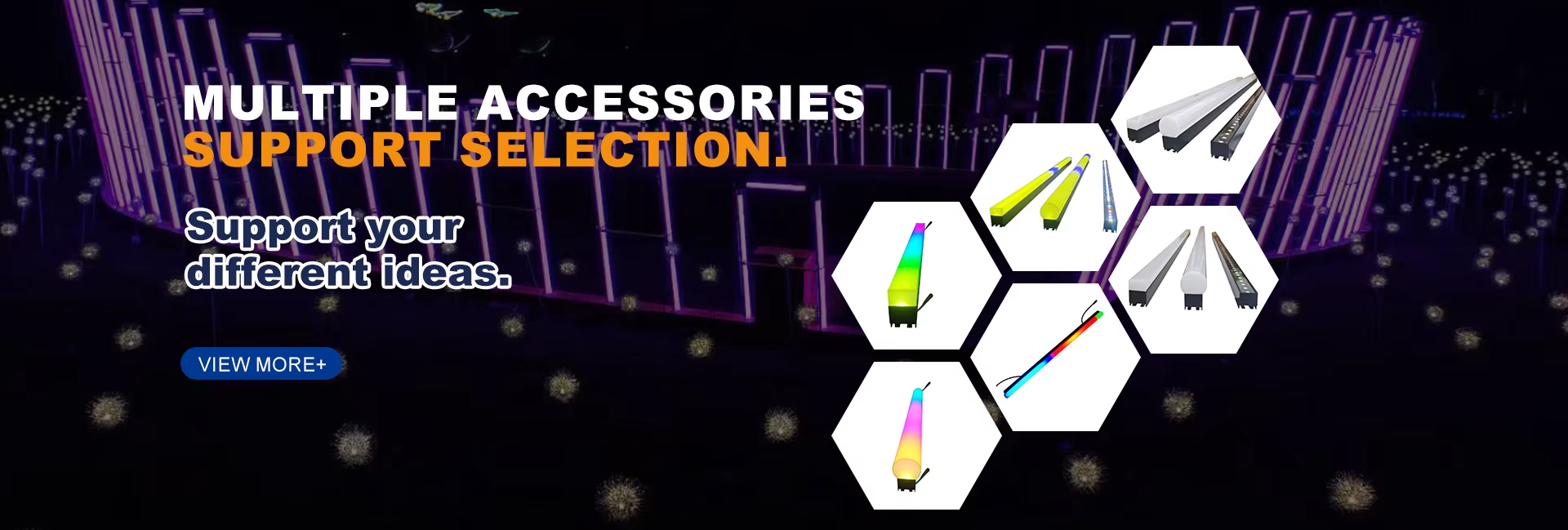
Buyers comparing the two control philosophies can read the side-by-side page on programmable versus pre-programmed pixel lights before deciding which side of the line their structure belongs on.
Both models carry their figures on their own pages: specification, packing data and construction notes, including connector systems, cover options and the customisation requests each model accepts. Cost an amusement structure from those two model pages, line by line. Spacing between modules, fixing points and run lengths come from the structure itself, so bring a drawing or a photograph of the ride with the inquiry. Where no model page exists — the neon and control lines — bring the selection questions to the inquiry, in the order they arise, and the answers are quoted against your named job.
Strip and neon for outlines and stages
Where a structure needs a continuous line of light rather than individual points, the strip and neon lines take over. The published strip model is an addressable full-colour line with one control chip per LED, cuttable in short sections, and offered in three ingress-protection options for indoor, sheltered and fully outdoor runs. Silicone neon gives the same continuous effect in a flexible tube that bends around letters and shapes, in full-colour and single-colour runs.
Stage work draws on both: strip for decoration along truss and scenery, string lights for festoon runs, and flood lights where a wash of colour has to cover a facade or a stage backdrop. The stage decoration article on the blog works through one such combination.
Models with published specifications
Five models in the catalogue carry a complete specification and packing table copied from the maker's own product pages. The remaining lines are covered at family level — applications, selection guidance and the questions to ask — and their figures are quoted per named model and quantity in the reply to an inquiry.
| Model | Line | What the model page publishes |
|---|---|---|
| IC6018G-2 | Stage (string lights) | Full specification, packing data, connector and customisation notes |
| IC4810-AUTO-2pins | Amusement | Full specification, packing data, sequence and cover options |
| E14-AC4020 | Amusement | Full specification, packing data, colour and voltage notes |
| F720-200W | Stage | Full specification, packing data, materials and remote notes |
| 10060-60-SK6812 | Strip | Full specification, packing data, cutting and ingress options |
What buyers confirm before ordering
Ask for the minimum order quantity for your model, and whether a sample is available before a bulk order. Quantities differ by model and are confirmed per inquiry rather than printed as a single figure.
Confirm the production lead time and shipping method for your quantity when you send your inquiry. Times depend on the model, the customisation requested and the destination, so they are quoted in writing against a specific order instead of promised on a page.
Request a quotation for your model and quantity. Pricing is issued per quotation, against the model, the options and the destination — which keeps the figure you plan around tied to the order you will actually place.
From first message to written quotation
Most projects move through the same four steps, and knowing them in advance makes the first message shorter and the quotation faster.
- Name the structure and the effect: a ride frame to outline, a facade to wash, a sign to draw in neon — with a photograph or drawing if one exists.
- Pick the line, then the model where one is published: the line pages narrow the field, and the five model pages carry each model's specification and packing tables.
- State quantity, destination and customisation in the inquiry form: labels, logos, covers, connectors, cable lengths — the options the model pages list.
- Receive the quotation in writing, with the order's own figures — quantity terms, timing and the named power supply — confirmed against that order before anything is produced.
Guides and comparisons buyers read first
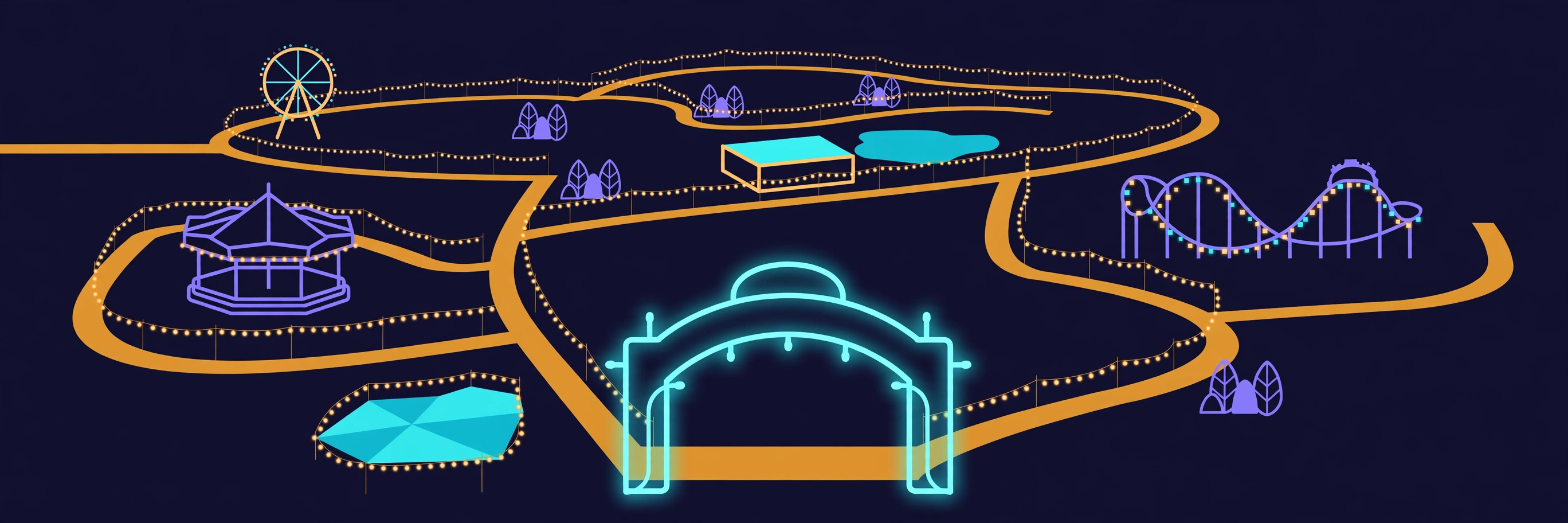
Three reading paths organise the guides and comparisons: the choosing guide, the head-to-head comparisons and the park guide. The choosing guide runs the pixel decision in the right order — structure, control philosophy, then model. The comparisons cover the two arguments buyers have most often: programmable against pre-programmed pixels, and neon flex against strip. The park guide scales the same thinking from one structure to a whole site, phasing included.
Choosing pixel lights
Structure first, control second, model last — with the checklist buyers paste into inquiries.
Before you order
Tell the sales team which light line you are sourcing — one form covers every line, and the reply quotes against your model, quantity and destination.